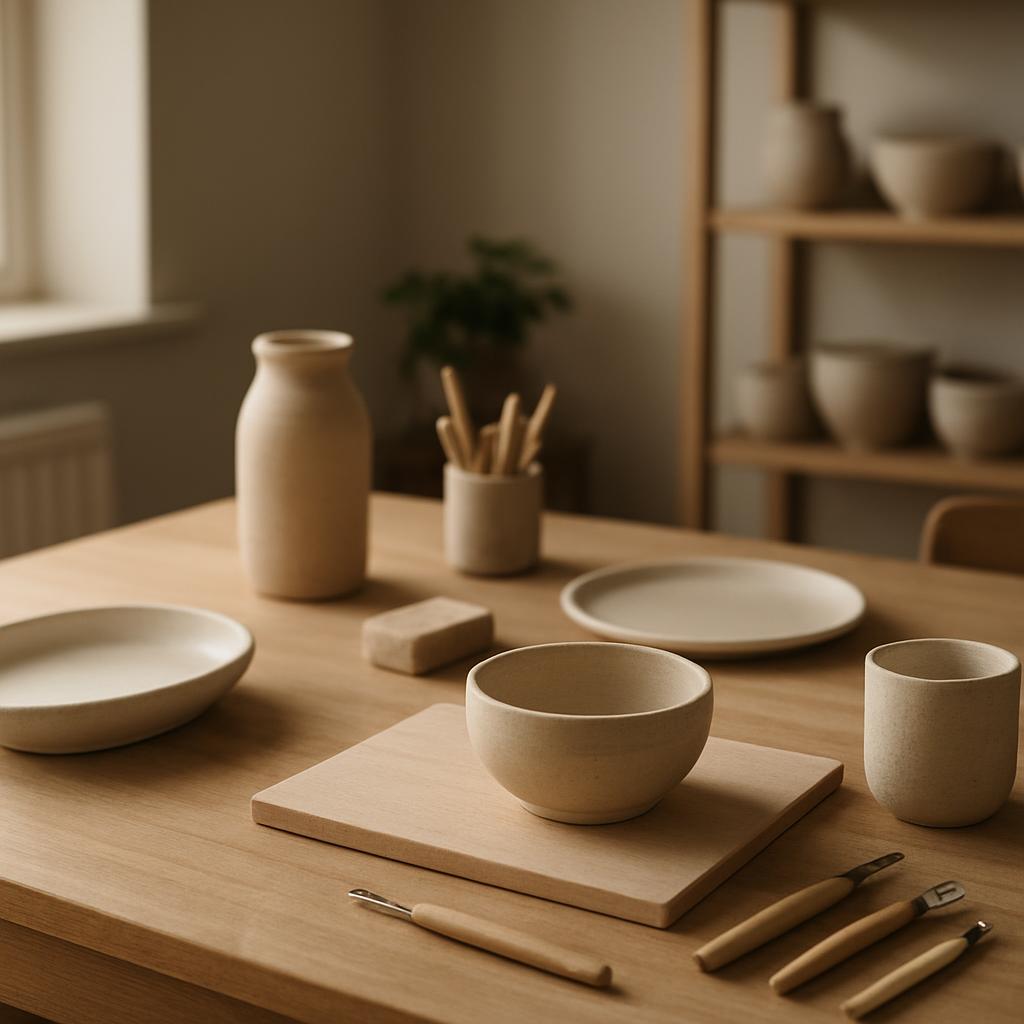
Getting Ceramic Keepsakes Right in Lowdham
Find Out More →Getting real value from Ceramic Keepsakes Lowdham comes down to knowing what you want before you walk in, being clear about what matters to you, and understanding what the process actually involves. Too many people treat it like ordering a cup of coffee — you just pick something off the shelf and hope for the best. That's not how this works. A ceramic keepsake is personal. It's meant to stay with you, and the quality of what you end up with depends almost entirely on the conversation you have upfront.
The good news? It's not complicated. But it does require a bit of thought on your part. Here's how to make sure you get the best results when working with Ceramic Keepsakes Lowdham.
What should I prepare before I get started?
Start by being honest about what you're trying to capture. Are you immortalising a pet? Marking a milestone? Creating something to remember someone by? The clearer you are about your purpose, the easier the process becomes.
If you're working with a photo — and most people are — gather your options early. Don't just grab one off your phone. Dig through your pictures and pick two or three that genuinely resonate with you. Think about lighting, composition, the moment itself. A blurry snap of your dog won't translate as well as a clear shot where their personality shines through. If you're commemorating someone, choose an image that feels right to you — not necessarily the most 'professional' one, but the one that captures who they were.
Write down any specific details you want included. Names, dates, colours that matter to you, particular quirks or characteristics. The team at Ceramic Keepsakes Lowdham can work with these details, but you need to have them sorted first. Vague ideas sound good in conversation but fall apart when it comes to the actual work.
What questions should I actually ask?
Don't be shy. This is your keepsake, not theirs. Find out more about what to expect in the ordering process, and don't hesitate to ask about timescales, how changes work, and what happens if you're not happy with a draft.
Ask about the specific techniques they'll use for what you want. Different projects need different approaches. Ask how they'll handle colour matching if that matters. Ask whether they can work from older photographs, or if certain details are difficult to replicate. Ask what the final piece will look like — will it be framed, mounted, glazed in a particular way?
And ask about revisions. How many rounds of adjustments are included? What counts as a change versus a correction? This matters because it sets expectations on both sides. You should feel confident that if something doesn't look right the first time, you can get it sorted without drama.
How do I make the process smoother?
Communicate early about deadlines. If you need this finished by a specific date — a birthday, an anniversary, a memorial date — say so upfront. Living near Lowdham, you know how unpredictable the weather can be, and it affects everything from deliveries to how long certain glazes take to set properly. Build in a buffer if you can.
Be responsive when they get back to you with drafts or questions. As we covered in our guide on getting real value, the faster the back-and-forth, the faster you get your finished piece. If they send you a proof, look at it properly and get feedback back within a couple of days. Don't let weeks slip by and then expect everything to be rushed.
Trust their expertise, but speak up if something's wrong. They've made hundreds of these. They know what works and what doesn't. At the same time, if you hate a colour choice or a design decision, tell them. Compromise usually produces the best result — sometimes their suggestion will improve what you originally imagined, and sometimes you'll catch something they missed.
What should I avoid?
Don't overload the brief. More detail isn't always better. A busy, cluttered design loses impact. If you're trying to fit someone's entire life story onto a ceramic piece, step back and think about what actually matters. One or two meaningful elements, done well, beats ten half-baked ideas competing for space.
Don't assume they can read your mind. 'I'll know it when I see it' is a nightmare brief for anyone doing bespoke work. Have a picture in your head? Describe it. Have a reference image? Bring it. Have a feeling you can't quite articulate? Say that too, and they'll ask the right questions to get there.
And don't change your mind halfway through without warning. If your ideas shift, that's fine — tell them immediately. The longer you leave it, the more rework they have to do, and the more frustrated everyone gets.
One final thing
A ceramic keepsake isn't a mass-produced item. It's made by actual people, by hand, specifically for you. That takes time and skill. Respect that in how you approach the process. Show up prepared, be clear about what you want, ask good questions, and stay engaged. That's how you get something you'll genuinely treasure.
When you're ready, reach out to Ceramic Keepsakes Lowdham. They'll take it from there — and if you follow these steps, you'll get exactly what you came for.
Looking for Ceramic Keepsakes near Lowdham?
We have secure, flexible units available in the area. Get in touch with Ceramic Keepsakes Lowdham today.
Find Out More →